
Enter any keyword(s) to search our Blogs.
Blackout Curtains: Your Nap-Time Secret Weapon
TL;DR: Blackout curtains can improve naps, reduce early morning waking, and support healthy sleep habits by minimizing light exposure that can interfere with melatonin production. For babies, toddlers, and preschoolers, creating a dark sleep environment is one of the simplest and most effective ways to improve sleep quality and consistency.
Why Sleep-Out Curtains Might Be the Missing Piece in Your Child’s Sleep Puzzle
Let’s have a real talk about something small that can make a giant difference in your child’s sleep: light.
If your little one is waking at the crack of dawn like they’ve got a standing meeting with the birds… or if naps are suddenly non-existent despite your best efforts… it’s time to shine a light on — or rather, block the light from — what’s going on.
Enter: Sleep-Out Curtains (aka blackout curtains, but better)
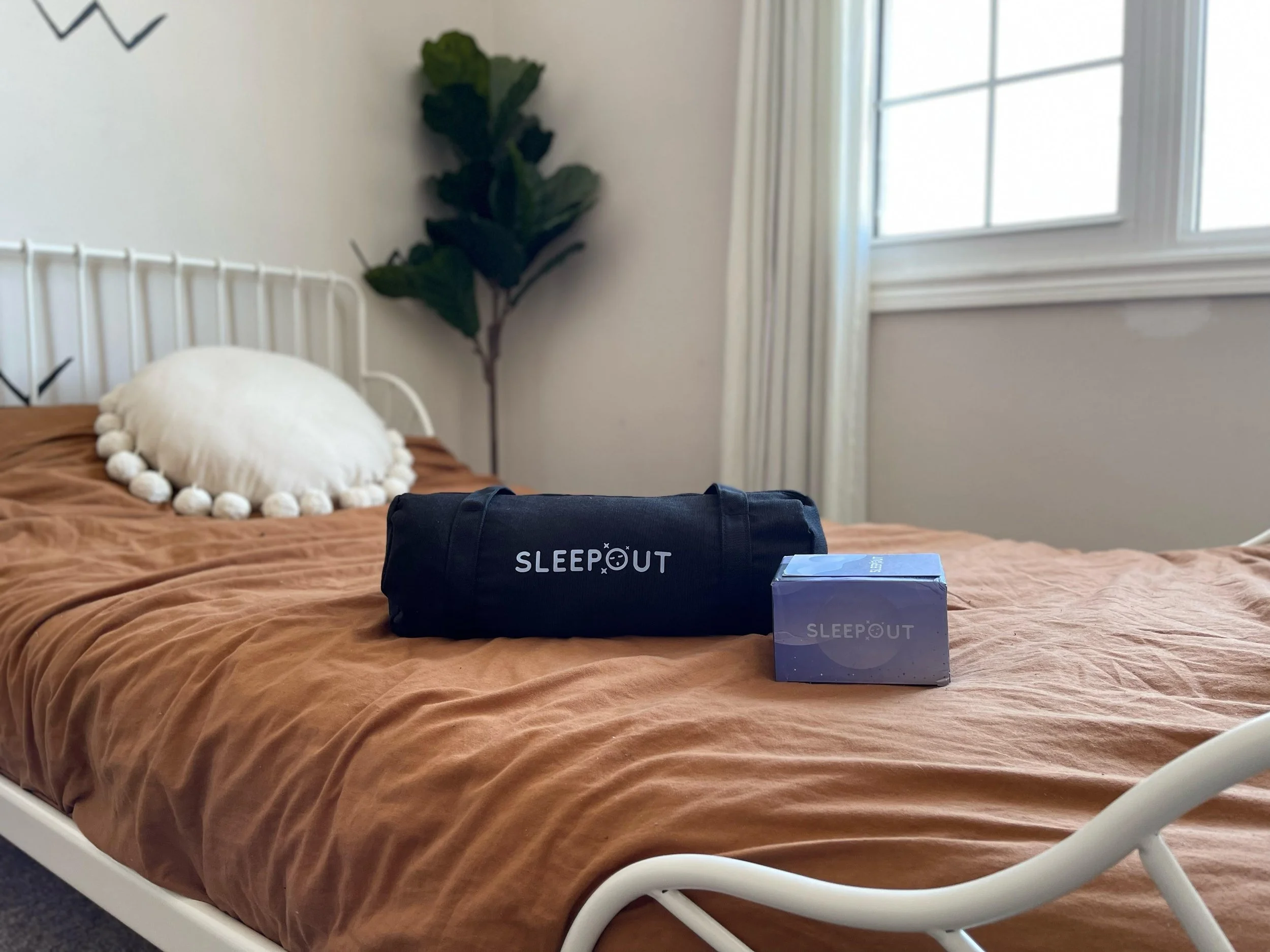
Now, I’m not talking about the sheer ones you picked up at Target that say blackout but still let in morning rays like a nightclub strobe. I mean REAL sleep-out curtains — the kind that make the room feel like a cozy, womb-like cave no matter what time of day it is.
Why does this matter?
Because light is a major player in your child’s circadian rhythm.
Sleep Science Moment: Why Darkness Matters
Let’s geek out for just a second (you know I’m all about the why behind the what).
When your child’s environment is too bright — especially early in the morning or during nap time — it signals their brain to stop producing melatonin, the sleep hormone that helps them wind down, stay asleep, and feel rested.
Translation?
Light = “Let’s wake up!”
Darkness = “Mmm, let’s stay cozy and snooze some more.”
So if you're trying to get longer stretches at night… more reliable naps… or even just a child who wakes up after 6am — sleep-out curtains are your new best friend.
Real Life Moment: The “Summer Solstice Meltdown”
Let me tell you about a sweet family I worked with — let’s call them the Parkers.
Everything was going pretty well… until June hit. Suddenly, bedtime became a full-on battle, naps were skipped, and their 4-year-old started popping up at 4:45am ready to party.
The culprit?
Their room was flooded with that glorious summer light — at bedtime, during naps, and first thing in the morning.
Once we installed real sleep-out curtains, it was like flipping a switch. Bedtime resistance dropped. Naps came back. And that 4:45am party animal? Now sleeping ‘til 6:30.
Joanna’s Go-To Curtain Tips
If you’re ready to join the dark side (literally), here’s what I recommend:
✔ Look for 100% blackout – Not “room darkening” or “light filtering.” You want total darkness.
✔ Seal the edges – Light sneaking in from the sides or top? Use Velcro strips or blackout curtain liners that go BEHIND your regular curtains.
✔ Get creative – In a pinch? Tape black trash bags to the windows. I’m not above a temporary hack when it buys the whole family more sleep.
✔ Double-duty – Consider using travel blackout options like Sleepout™ panels when visiting family or traveling (they suction to windows and WORK).
Gentle Sleep Coaching Bonus Tip
A darker room doesn’t just help your child sleep longer — it also helps them fall asleep easier.
So if bedtime battles feel endless, or if your toddler is suddenly scared of “monsters” or “shadows,” don’t assume they need more light — they may actually need less stimulation.
Pro tip: Add a soft red or amber nightlight if needed — those tones don’t disrupt melatonin like blue/white light does.
Bottom Line
Sleep-out curtains aren’t just some Pinterest parenting trend.
They’re a strategic, science-backed tool that helps align your child’s internal sleep rhythms with their environment — especially when naps, early mornings, or bedtime meltdowns are stealing your sanity.
They’re one of those things that make you go,
“Why didn’t I do this sooner?”
Frequently Asked Questions
-
Yes—very often, they do.
One of the most common reasons babies take short naps is because light signals the brain that it’s time to wake up. Even subtle daylight creeping into the room can interfere with your child’s ability to transition through sleep cycles.
When a room is truly dark, the brain produces melatonin more effectively, which helps your baby stay asleep longer and connect sleep cycles more easily.
That said, blackout curtains aren’t a magic fix on their own. If your child is overtired, undertired, or relying on sleep props, you may still see short naps. But when paired with the right sleep timing and routines, a dark sleep environment can make a noticeable difference—sometimes immediately.here
-
Yes—and this is one of the biggest wins.
Early morning waking (think 4:30–5:30am) is often driven by light exposure. As soon as the sun starts to rise, even a small amount of light can signal your child’s body that it’s time to start the day—even if they’re still tired.
By blocking that early morning light, blackout curtains help “protect” the sleep environment and support your child in sleeping later.
However, if your child is consistently waking early, it’s usually not just about the curtains. Sleep timing, total daytime sleep, and bedtime all play a role. Blackout curtains are a powerful tool—but they work best as part of a bigger, thoughtful sleep plan.
-
In most cases, yes—especially for sleep.
A dark room minimizes stimulation and supports deeper, more restorative sleep. For many toddlers, a completely dark environment helps reduce distractions and makes it easier to settle at bedtime and stay asleep through early morning hours.
If your child is fearful of the dark, you don’t have to force total darkness overnight. A very dim, warm-toned nightlight can be a gentle bridge. But the goal is still to keep the room as dark as comfortably possible.
Think of it this way: we’re creating a clear, consistent signal to the brain—this is a place for sleep.
-
They’re not technically required—but they make everything easier.
When I work with families, I look at the sleep environment as one of the foundational pieces. If a room is too bright, you’re essentially working against your child’s biology.
Blackout curtains help reduce external stimulation, support melatonin production, and create consistency—especially during naps and seasonal light changes.
So while you can improve sleep without them, you’re likely going to see faster, smoother progress when the environment is working with you instead of against you.
It’s one of the simplest changes with one of the biggest returns.
-
You don’t have to give up good sleep just because you’re on the go.
There are excellent portable blackout options designed specifically for travel—things like suction blackout shades or temporary window covers that you can pack in your suitcase.
The goal isn’t perfection—it’s consistency.
Even recreating some level of darkness can help your child feel more grounded and make it easier for them to fall asleep in a new environment.
If your child is used to sleeping in a dark room at home, bringing that element with you while traveling can be the difference between a smooth trip and a very long few nights.
Ready to troubleshoot your child’s sleep challenges with real strategies that WORK?
Can Blackout Curtains Help?
Often Yes
Often Yes
Sometimes
Sometimes
Helpful but not sufficient
Often Yes
Sleep Challenge
Short Naps
Early morning waking
Bedtime resistance
Night Waking
Sleep Regression
Travel Sleep Disruption
Ready to troubleshoot your child’s sleep challenges with real strategies that WORK?
That’s exactly what I do, every day, with families just like yours.
Let’s build a customized, heart-centered, attachment-respecting plan that makes sleep feel easy again.
At Blissful Baby Sleep Coaching, I believe that sleep is a learned skill, and every child is capable of learning it—with the right guidance and support.
Whether you’re a working parent juggling deadlines or simply a family in need of rest, know this: there is always help and hope available.
If you’ve been hesitating, wondering if sleep coaching is right for you, let me reassure you: the hardest part is deciding to start. From there, with expert guidance and your dedication, the progress will come quickly. This is your chance to transform your life in a way few other things can.
Ready to take the leap? Let’s talk about how sleep coaching can create your family’s transformation. You deserve this. Your baby deserves this. And your future self will thank you.
Let’s start with an easy first step, schedule a Sleep Strategy Session so me, you and your partner can have an 1 hr long zoom session so I can properly assess the sleep situation and determine if you need one-on-one sleep coaching support.
Let’s get your baby sleeping and get YOU your sanity back.
If you are still wondering if I can help, please know I do NOT advocate 'cry-it-out'. I am a Gentle Sleep Coach. If you want to learn about my guilt-free and gentle process, please go to these links.
The Blissful Baby Stairway to Sleep
Please join my Sleep is Bliss Tribe in Facebook, Instagram and LinkedIn so we can stay connected and you can continue to get amazing resources on sleep and family wellness.
Sleep is Bliss, Let's Get you more!