
Enter any keyword(s) to search our Blogs.
Daycare Nap Drama? Let’s Fix This Without Wrecking Bedtime

Toddler Dropped Naps at Home — But Daycare Still Forces Nap Time? Here’s How to Protect Bedtime
Your child dropped naps months ago.
But daycare still pushes a daily snooze.
Now bedtime is sliding later.
Evenings feel endless.
Your child is wired.
And you’re longing for that old 7pm bedtime.
You’re wondering:
“Why are weekday bedtimes so hard when my child doesn’t nap on weekends and bedtime is easy?”
You’re not doing anything wrong.
You’re stuck in a system problem — not a parenting problem.
Let’s break it down and create a calm, realistic plan.
Why Daycare Still Requires Nap Time (Even for Kids Who Don’t Nap Anymore)
Here’s the straight truth:
Most daycares are required to offer a nap or rest period.
It’s not personal. It’s policy.
Licensing laws often mandate rest time.
Schedules are built for group management.
Teachers need protected break time and staff rotations.
Some centers allow quiet activities.
Others follow a strict “everyone on their mat” model.
The win here isn’t fighting the rule.
It’s understanding how flexible that rule might be.
How to Talk to Daycare About Nap Time (Without Conflict)
This isn’t a complaint.
It’s a collaboration.
If your toddler has dropped naps but daycare still requires rest time, the goal is clarity — not confrontation.
You might ask:
Can my child do quiet activities instead of sleeping?
Do they need to stay on the mat the entire time?
Can they get up early if they’re clearly awake?
How long is rest time really?
Some daycares have more wiggle room than they advertise.
You won’t know unless you ask — calmly, confidently, and clearly.
When parents and caregivers align, toddler sleep improves faster.
What to Do If Daycare Nap Time Is Non-Negotiable

If rest time can’t change, shift the goal.
We’re not aiming for sleep.
We’re aiming for low stimulation.
Consider sending a simple quiet-time kit (if allowed):
A few familiar books
A small coloring book
A simple puzzle
One comfort item (nothing exciting)
Bonus tip:
Ask if your child can rest near other non-nappers.
Less pressure = less accidental sleep.
Even reducing a nap by 20–30 minutes can dramatically improve bedtime resistance.
And if pickups or daily logistics are cutting naps short, you can read more about balancing naps with school schedules here.
How Daycare Naps Affect Bedtime (And How to Adjust Gently)
If your child naps at daycare — even briefly — bedtime will shift.
That doesn’t mean bedtime is broken.
It means sleep pressure has changed.
Here’s how to protect evenings:
Add calm movement after dinner (walk, light backyard play)
Push bedtime slightly later if needed (10–20 minutes, not hours)
Keep your bedtime routine boringly consistent
Same order.
Same cues.
Same calm energy.
This is how your child’s body learns:
Daytime rest does not replace nighttime sleep.
Small, steady adjustments work better than dramatic schedule overhauls.
If you’re navigating daycare sleep in general — including how to support independent sleep at home while honoring your parenting style — you may also find these sleep training tips for daycare parents helpful.
Is This a Sleep Regression — Or Just a Nap Transition?
This stage often gets mislabeled as a regression.
It’s usually a nap transition.
Some days your child will nap.
Some days they won’t.
Some weeks will feel messy.
That doesn’t mean you’re backtracking.
Transitions are rarely linear — but they are temporary.
Hold your home routine steady.
Communicate with daycare.
Adjust without panicking.
That’s how bedtime stabilizes.
The Big Reframe: It’s About Alignment, Not Control
You don’t need to “fix” daycare.
You don’t need to force naps away.
You need alignment — not perfection.
When parents and caregivers work together, children settle faster — day and night.
You’re doing the right thing by paying attention.
And yes — you can get bedtime back without blowing everything up.
If this feels trickier than it should, that’s usually a sign the schedule needs a second set of expert eyes.
And that’s okay.
Want a Second Set of Eyes on Your Child’s Sleep Schedule?
If daycare naps are colliding with bedtime and you’re not sure what to adjust first, you don’t have to figure it out alone.
In a 1:1 Sleep Strategy Session, we’ll look at your child’s full 24-hour rhythm, daycare schedule, temperament, and sleep pressure patterns. A Sleep Strategy Session helps you understand what’s happening and decide the next right step for your child’s sleep.
No cry-it-out.
No drastic overhauls.
Just thoughtful adjustments that protect both sleep and connection.
-
Because daycare naps — even short ones — reduce sleep pressure. When your child skips naps on weekends, bedtime is easier because they’re biologically ready for sleep.
-
Most toddlers drop naps between ages 2.5 and 4. Some transition gradually, especially in group care settings.
-
Start with collaboration. Many centers must offer rest time but may allow quiet activities or shortened rest periods.
-
Usually not. This is more commonly a nap transition — which can temporarily disrupt bedtime while your child adjusts.
From Fear to Freedom: How One Family Conquered Sleep Regressions—Twice
When this family first considered sleep coaching, their son was just 7 months old. Sleep wasn’t perfect—but it felt manageable. What stopped them from seeking help wasn’t uncertainty about sleep itself; it was fear.
Fear fueled by misinformation.
“We actually tried approaching sleep training at 7 or 8 months… but there was a lot of misinformation with the cry-it-out method, and that really scared us.”
So they waited. Like many parents do.
They relied on what worked in the moment—rocking, bottles, pacifiers, co-sleeping. Over time, though, those supports stopped working. By 15 months, their son was waking every 30–45 minutes, needing a bottle each time to fall back asleep.
“There was no sleep at all for those 3–4 months… He was drinking so much milk at night that he wasn’t even hungry for solids in the morning.”
They were exhausted, discouraged, and ready for an option that aligned with their values.
Gentle Sleep Coaching at 15 Months: The First Breakthrough
When we began working together, one thing mattered most to them: this could not be cry-it-out.
We moved slowly and intentionally. I explained the science behind sleep, how sleep pressure and circadian rhythm work together, and why reducing sleep crutches doesn’t mean abandoning a child.
“Joanna was very systematic. She made it clear this was not cry-it-out. It was a slow transition. We had to trust the process—and we did.”
And it worked.
Their son learned how to fall asleep independently.
He slept through the night.
He ate better during the day.
He woke up joyful.
“Now we see him waking up with a smile and going to bed happily. I can’t imagine life before this stage.”
What Causes Toddler Sleep Regression? Illness, Travel, and Big Changes
Just when things felt solid, life threw everything at them at once:
Hand, foot, and mouth disease
A new pregnancy
A major relocation
“All those sneaky sleep crutches we had completely eliminated—boom, they were back.”
At 22 months, they were facing frequent night wakings, bottles overnight, and a very overtired toddler. Even though they had already succeeded once, starting again felt vulnerable.
But this time, something was different.
“We made a whoops and a boo-boo and needed help again. But our confidence level was sky-high.”
Why the Second Sleep Reset Was Faster and Easier
Because they already understood the process, the second round of sleep coaching moved quickly—even with travel and mom being very pregnant.
“It was like sleep training an entirely new baby… but we had the process, so it was easier.”
Within days:
Sleep consolidated
Naps returned
And their son began asking to nap
“He literally walks to his bedroom, says ‘nap time,’ and asks to go into the crib.”
Life on the Other Side
Today, bedtime and naps are calm and predictable:
No bottles
No rocking
No resistance
Dad is fully involved.
Grandparents can handle bedtime confidently.
Everyone is sleeping—including mom, just weeks from delivering another baby.
“We finally get to eat together again. We hadn’t seen a movie in two years.”
“It feels like a privilege to put him to bed.”
Watch their full video story here:
Sleep Regression Doesn’t Mean Sleep Training Failed
If sleep unraveled after it was working, you didn’t fail—and neither did your child.
Regression during illness, travel, developmental leaps, or major life changes is normal. The key is knowing how to respond without panic and without undoing the skills your child already has.
How to Reset Sleep Gently (Without Cry-It-Out)
A Sleep Strategy Session is a 60-minute Zoom call where we:
Assess your child’s sleep history
Identify what caused the regression
Decide whether you need a reset or deeper support
Already Sleep Trained—but Stuck?
I created a Sleep Regression Guide specifically for families whose children already have good sleep skills but need a refresh during:
Illness
Travel
Developmental changes
Big life transitions
Download the Sleep Regression Guide
You’re not back at square one.
You’re just at a reset point—and support makes all the difference.
-
Hello, I'm Joanna with blissful baby sleep coaching. And we're here with another success story, their son. They first came to me when their son was 15 months old. We totally successfully sleep trained him and nap trained him, and it was awesome, right? Yeah. And then little guy got really sick with hand, foot and mouth. They were also in a big transition with possibly moving. And so all those sneaky sleep crutches that we had completely eliminated, boom, they were back.
Yes. We actually then had to do a second session, if you will, of sleep training again when he was two months old. 24 months old. 22 months old. 22 months old, yes. So as we're going through the sleep success story, I just wanted everyone to kind of understand that they've got two really unique perspectives on doing sleep coaching with a 15 month old and doing a sleep coaching with a 22 month old, which are two entirely different creatures.
So my first question always is, what was life like before you called me? Yeah. So we actually tried approaching you at seven, eight months when our baby was that old. And there was a lot of misinformation with cry it out method. And that was something that really scared us. And then we ultimately decided to not go through with it. And life at the time seemed okay. Like we were involuntarily bringing on a lot of crutches just to make him sleep and keep him asleep, which we didn't know at the time that we were doing like we were rocking, we were singing, we're doing like a bunch of things, which seemed harmless, which is harmless.
And we had the bottle, we had the pacifier, we had like a bunch of things that were going on to try and get him to stay asleep. And we continue to do that for a year, until he was a year. And then we had a big trip where we co slept for like a month and a half or something. And after that he just would not go back to his crib.
And it. It was almost two to three months until he was 15 months that we had to go through that process where he was asleep with us in the bed at first, but then he'll keep on waking up during the night. So he will only sleep for about 30 to 45 minutes at a time. And then he wake up and he'll ask for a bottle and then he fall asleep on the bottle.
And what ended up happening was he was having just so much milk at night that he was not eating enough in the morning time. So like whenever we would try to introduce food, solid foods, he would just not Accept it because he was getting all of those calories at night. And so it was like a pretty bad cycle of giving him the bottle, trying to keep him asleep for both of us.
There was no sleep at all for the three, four months that we went through it. Yeah. And then ultimately we kind of went back and we looked at Joanna for help. Yeah. And Dad, I also remember during that time that maybe, like, it was getting harder for you to help him with go to sleep or go back to sleep. Wasn't he kind of getting mommy preferenced where your son was like, even though you were co sleeping and doing all the things, he was always, like, wanting mom instead of like, you?
Yeah, yeah. No, I think it was. It was super hard, you know, almost so much so that I was like questioning, like, come on, like, baby, why are you not sleeping with me? But. But yeah, it was super hard. And I think we were not sleeping enough like Utra said. And, you know, that was making us irritable as well. So it was. Don't imagine that life again. Yeah, exactly.
Yes, exactly. Like just irritable. And nothing was working. Okay. And then mom, you had said that you, you know, initially at seven months, you were like, I don't want to do cry it out. That's all I see in the marketplace. Yeah. That's why you didn't make any changes at seven or eight months. But then here you are at 15 months now you're desperate. Like, now you've gone way down.
Like, your ability to tolerate what's going on. Like dad said, like, highly irrit. No sleep. Yeah. So then you were like, all right, I've got to find an alternative to cry it out. So you found me because I'm a gentle sleep coach. And so what was it like to, you know, get that support, that. How did that feel for you to. So I think first of all, what I want to say is that Joanna is very systematic.
Like, so even before we started the coaching, I remember that you had asked us to do like a log of everything that he does. So that kind of first of all gave us the idea that we are in the right path. Like, you know, we are working with someone who actually knows what to do and like it. You made it very clear that this was not a cry it out method.
This was a slow transition. And of course we had to keep an open mind that there is, whenever there is transition, whenever there is change, a baby is going to resist. So we, we had to trust that and we went with the flow at the time to, you know, Kind of get that understanding in because we didn't know that we had introduced all of these crutches that were crutches.
Like, we didn't even know. We just thought that was just part of how a baby sleeps because everybody does it. Yeah. So I think that's. That was one thing that immediately kind of hit that once you started with the coaching process, we kind of got the understanding of what we are supposed to do, the bare minimum things that we're supposed to do versus everything else that we were doing.
But. Yeah. Do you want to add something else? Yeah, no. I mean, it was, it was crazy. Like, you know, I even learned about, like all the different cycles of sleep. Like, you know, who knew like all of that existed? Right. So when you start learning a little bit more about the science behind, you know, what happens and why it happens, I think it sort of gets you to a stage of then starting to figure out, okay, now how do we use that understanding, you know, to give the baby, you know, what he really needs, which is a good amount of sleep so that he's actually excited.
Even he was not doing well. Like, he was irritable, like when he would be up. Like, I mean, now we see him, you know, after that he's deep trained, like waking up with a smile and like going to bed, like happily. Like, you know, like I said, I can't imagine, you know, life before the stage. Yeah. Like, we're at the point now, you guys, where he literally reaches for his crib and he tells his parents that he is ready for his nap.
Yes, correct. Walking towards the bedroom, saying, it's nap time. Yeah. Not in a million years did anyone expect that result that, that, that we were able to use, you know, behavioral science and sleep science to really match it with what his needs were. Yes. Move in very, very incremental small steps. Yeah. You know, and like I said, like we did it once when he was 15 months and you guys had a great run where everything was great for several months and then the illness came and then you by accident reintroduced sleep crutches and this happened.
So I think it's an important topic because a lot of parents will say to me, oh, my God, if I do this with you, am I ever going to have to do it again? And I say, it depends. And they go, what? And I say, well, if we find out your child is highly sleep crutch prone, if you reintroduce the crutches for too long and consistently, like bedtime at, you know, each interval all night long, then yes.
That child will gladly take as many sleep crutches as you're willing to offer, and you will have what's considered a full sleep regression, meaning your child wasn't waking up at night, and now they're waking up again four or five times a night. Yeah. And that's what happened to you guys. And it was hard, but also knew you could come back to me for help. That there was no shame.
Yeah. There was no judgment. It was like, you know what? We made a whoops and a boo boo and we need help again. And when we worked again, like, your confidence level was, like, sky high. You're like, we know. Yeah. Yeah, exactly. I think that's. That's a very good point that, you know. First of all, during this age, right between one and two years, the baby's personality is changing every month.
So he definitely was not the same baby at 15 months as he was at 22 months when we started again. When we were, you know, during that phase of regression plus illness that we went through at 15 months, we kind of understood very quickly that we made the boo boo. Like, we should not have done those things because we've noticed it consistently that our baby thrives with consistency.
Like he wants a schedule. And having known that if he had just been a little more resistant to the changes that we were, because we actually introduced the changes, he probably didn't even need it. So that was like, a lesson that we learned after the fact that, okay, we made this mistake, but we know exactly what we did wrong that got us here. And I think at the time, I was also pregnant, and there was, like, some priorities in terms of, like, emotionally I was just unable to hear him cry.
So, like, I felt the need to go and grab him and just stop the cries for, you know, even a little bit. So I think it was kind of an emotional time as well for me that we thought, okay, you know, it's okay. The main thing is that he sleeps, and I don't care for now. So we'll just do what we do, and then we'll figure out once he's a little more, you know, aware, and then, you know, we reintroduce it.
So now, like, when do we know that? What is the right time to do it again? So I guess, you know, that's also important to know that, you know, your baby will actually tell you in many ways that he wants to sleep better. And like he said, the main change that we noticed was that he was a happier baby when he was sleeping through the night. And and then, like, we started noticing that he was just getting really, really cranky.
And, like, he was, you know, very irritable. You know, he was not happy at all. At bedtime, he would wake up grumpy. And at 22 months, like, he was also having a speech burst at the time. So we kind of figured out that this is the right time to do it, even from, like, very heavily pregnant point of view, that we wanted to make sure that before the second baby, yes, he is sleep trained.
And that was kind of the window that we found that this is, like the perfect window right now that we give him a couple of months and he will be able to master it. And we saw, like, the things that we did the first time around, and we incorporated a lot of those now. But I want to reiterate that he was not the same baby. He was an entirely different baby at 15 months, and he was an entirely different baby at 22 months.
So it was like sleep training, an entirely new baby. But we knew the process, so it became easier for us to actually go through with it. And we made success pretty soon. And that is the most important thing. So. Yeah. Yeah. And exactly. And again, if there's ever a regression, parents will also say, okay, well, if I have to sleep train again, like, how quickly can they learn?
And I say, very quickly. I mean, usually within a week, we're seeing massive improvement. Yes. And then towards full mastery, where you're getting the beautiful, you know, life that you're getting now. You know, I mean, within two weeks. And now it's been six weeks where he's sleeping through the night and taking impeccable naps. So why don't you tell everyone what sleep looks like now? So it's amazing. First of all, there are no res.
There is no resistance to wanting to go to sleep. He knows it's part of his daily routine. He understands that there is, like, a pattern that he needs to follow, and he's happily doing it. He plays when he plays, and when it's time to sleep, he understands that he has to sleep. And he, you know, we start his night routine at around, you know, 6, 30ish, typically. And he knows, like, once the night routine has started, you know, this is the pattern.
Like you do A, B, C. Like, it's kind of like that. And then he has to go into the crib and then he has to fall asleep. And there are days when he would just be like, I, I just want to go to sleep. And he will tell us that, you know, you can just Put me in the crib and bye. Bye. So he's gotten to that stage in the afternoons.
He's like his own nap captain. He will be like at 12:30, he's like, okay, bye, I'm done. And then he'll just go inside to sleep. So yeah, he's gotten really good at it. He sometimes will have some arousals in between. Like if he's startled by a sound or something, he would wake up. But then now we are known to the process and you know, we know not to disturb him.
So he has mastered his sleep skills so well that he can actually now go back to sleep on his own. And you know, those, those things are important to know as parents. And I think first time parents, we are, you know, overly cautious. You know, he's sleeping so well, but we still have the baby monitor on all the time and we are still, you know, constantly watching him.
We don't have to anymore, but we still do it. And so like we, we see that, you know, even if he tosses and turns and you know, there are times that he'll actually sit up and he'll just look around, but then he'll fall asleep again. So like that's, that's, that's like great transition that we are seeing now in our baby and like amazing mood. So it's, it has so many benefits.
Like his mood is great, he's eating well, which was another, you know, point of concern that we had initially. His, you know, milk intake has gone really down, which is another thing that we wanted, like, we wanted him to have other foods and not just rely on milk. So yeah, so all of those things like, are great positives that we have seen just from sleep training. Like there are so many things that are interrelated to one part.
And I think you also said you got the speech burst. Yeah, yeah, that was a big one. Right? So like, you know, when your child's, you know, between 15 and 18 months, some speech starts coming and you guys were like, what? We want more, we want more speech. And then once we trained him again, like the speech started just, you know, pouring out, which is. Yeah, so if, like, so now we know that life is better.
We know that the second baby is coming any day now, which is amazing. The parents have been integrated. Dad, you've been integrated. So talk about what it was like to now be in a situation where like you can handle the everything. Like you, if, if mom's in the hospital and you're home with your son, like no problem. Like talk about that super Easy. Well, it was not the case like before we did this, but, you know, same thing, right?
Like, he knows when he wants to go back in and get his nap. Or like, you know, he knows when it's like, you know, sleep time at night. So the schedule is the same. Like, he does it now with any of us in the family, which is. Which is amazing because there used to be a preference that he had for mom. You know, it feels great to be able to do this with your son.
And, you know, that's, I guess, the. On the emotional side of things, like, you know, you feel good about it yourself in a way that you're able to do this and your son's been sort of able to spend time, know, with you, like, read a book, you know, get him to bed. I think all of that is. Sounds super simple, but it's. It's actually a privilege. It is a privilege.
And I often say to families, like, when. When you have a situation where you kind of had a mommy preference going on, the dad often feels like really on the periphery. Even though dad wants to be totally involved, the baby kind of creates this, like, barrier. It's kind of an invisible barrier. And so then the dad kind of has this feeling like, well, whenever I try to help, I actually make things wor.
Right. And so now the benefit of sleep training is what we get is dad and baby are bonded. Dad and baby trust each other. Dad and baby have their own cute little pattern. Dad gets to have that beautiful experience of reading the book. I mean, there's just never. There's nothing better than sitting with your kid on your lap reading a book, and then a final kiss. Put him in the crib, walk out the door and be like, it's 7:30.
Yeah. Yeah. I mean, it just is, right? I mean, it's such a massive accomplishment. Yeah, yeah, yeah. And I. I want to actually say, you had told me when we had started the process that he needs to have association with the routine and not the person. And not the person. Yeah. And that was something that we didn't really think how important it was at the time. Now we do that.
It really doesn't matter if I'm doing the routine or he's doing the routine or any of the grandparents is doing it or the neighbor is doing it. Like, he's actually fine. He go to sleep because he knows that he has to take a bath, he has to read a book, and then he has to go to the crib and he has to sleep all night. Like, he knows that.
So that's amazing. Amazing. So what's possible for you guys now that literally was not possible before working with me? Yeah. I think eating together is the main one for us. So we were never able to eat together at the same time for the longest time because one of us was always on call with our baby. And that's changed. Now we definitely get to spend some evenings together, which is amazing.
You know, just talk, actually about anything, which has been great. Yeah. Watch tv. Yeah. A bunch of different things that we had not caught upon over the last couple years, so. Yeah. Last couple years. Yeah. Oh, yeah. We had a lot to catch up in the last 20 years. Yeah. Yeah. Like, we hadn't seen a movie in two years, so. Yeah. So just getting able to start a movie and finish the movie the same night, that was like, wow.
I know, right? So simple pleasures. Okay, cool. So when you guys. If you guys ever bump into a family that is either scared to do sleep training or doesn't believe it's going to work for them because their case is too hard or they have a misperception that the only way to sleep train is cried out, like, what. What do you guys. I'd love dad to share first. Like, what do you guys want people to know about.
About it if they're like, I don't know. Yeah, we were just joking about it. Right. Like, you know, I'm gonna show him. Show the. Show the family, like our kid, you know, sleeping soundly and. And tell them that this is what is possible. Right. And you can actually go, you know, have dinner, watch a TV show or, like, watch a movie, like, while that's happening, and actually get your life in order.
And more importantly, get some sleep. If you want to get some sleep yourself and actually wake up with your kid and have the energy to play with the kid. So I think that's what is really possible. And having gone through this now a couple of times, I would say that we were actually apprehensive the first time ourselves. And it wasn't necessarily easy. We had to learn, we had to teach, and we had to go through the process.
So it's going to be a journey, and that's going to be the key. And it's really good for the baby, it's good for the parents, it's good for everyone else in the household, and, you know, that's ultimately what you want. Yeah. How about you, Mom? Yeah, I completely agree that it's a journey. It's going to be a slow transition. We had spoken about it initially as well, that Even though it's not a cry it out method, there are going to be some cries because our babies are smart, like they are going to be resistant to change.
They want, you know, things the easy way. They. So it's when, when we take some of those pleasures away, it's not going to be great. Like even as adults we don't like it. So. So it's going to be a slow transition. There are going to be some cries realistically. But like having gone through the process now and it's been like two months of a sleep trained baby, those four or five days in the initial days when we were sleep training him and there were some cries, they seem like a distant past now because the baby is just doing so well.
He is in great mood. He's, you know, doing well all over, all around. And I think when you look at that, it's like a small price to pay. But that's a price that we pay as parents because to be very honest, the baby is fine. Like we have to accept the fact that it's not, you know, a cried out method where they are completely abandoning the baby and just leaving them to fend for themselves.
Like that's not what we are doing here. This is a slow, easy, gradual process that is even acceptable for the child. Like they understand, they see you, they understand that there is a change going on. They are going to be resistant to the change at first, but I promise you that they will accept it and that this is great for them in a lot of ways. Exactly. And I think that's really important to say is that there is no such thing as a.
No. Yeah. No crying. And the way I like to, because the word crying can be very triggering. So it's like the word for me is more like level of protest. Like. Yeah. Are they protesting because they're frustrated? Are they processing because they're confused? Yeah. Protesting because you're being super inconsistent and they don't know what you're doing. So there's, you know, the way I work is really deep in decoding the nature of the protest so that we can respond appropriately.
And that's the key thing is always looking at what the trigger is and how we can respond appropriately in order to still make progress. Yeah. Still able to offer support, verbal support, physical support. We're physically in the room, we're available to them. Yeah. It's not giving them the crutch every single time. Yeah, yeah, exactly. Skills to be built. Yeah. Awesome. Well, thank you so much for sharing your story.
You're, you're two time, two time winner. And I think you have learned well and it will be great because now your baby's sleeping and now when you go to have, you know, your new family member coming any day now, you can do this with confidence that your child is home and sleeping well and anyone can put him to sleep, which is amazing. Yeah. Yeah. We are so excited about that.
This definitely was the main point of concern for us, you know, with. With a new baby coming in. So, yeah, I just want to say to the moms out there that, you know, just be patient. You know, we are all doing the best that we can. And, you know, this is a great option to actually consider because we are seeing the change in our baby that just sleep can bring.
So, like, sleep is connected to so many things of, you know, being well all around. And once we fix that small, tiny thing, it just changes to your baby. Yeah, exactly. Okay. Well, thank you so much. Yeah, thanks, Joanna. Okay.
Spring Daylight Savings 2026: How to Gently Help Your Child Adjust When We “Spring Forward”
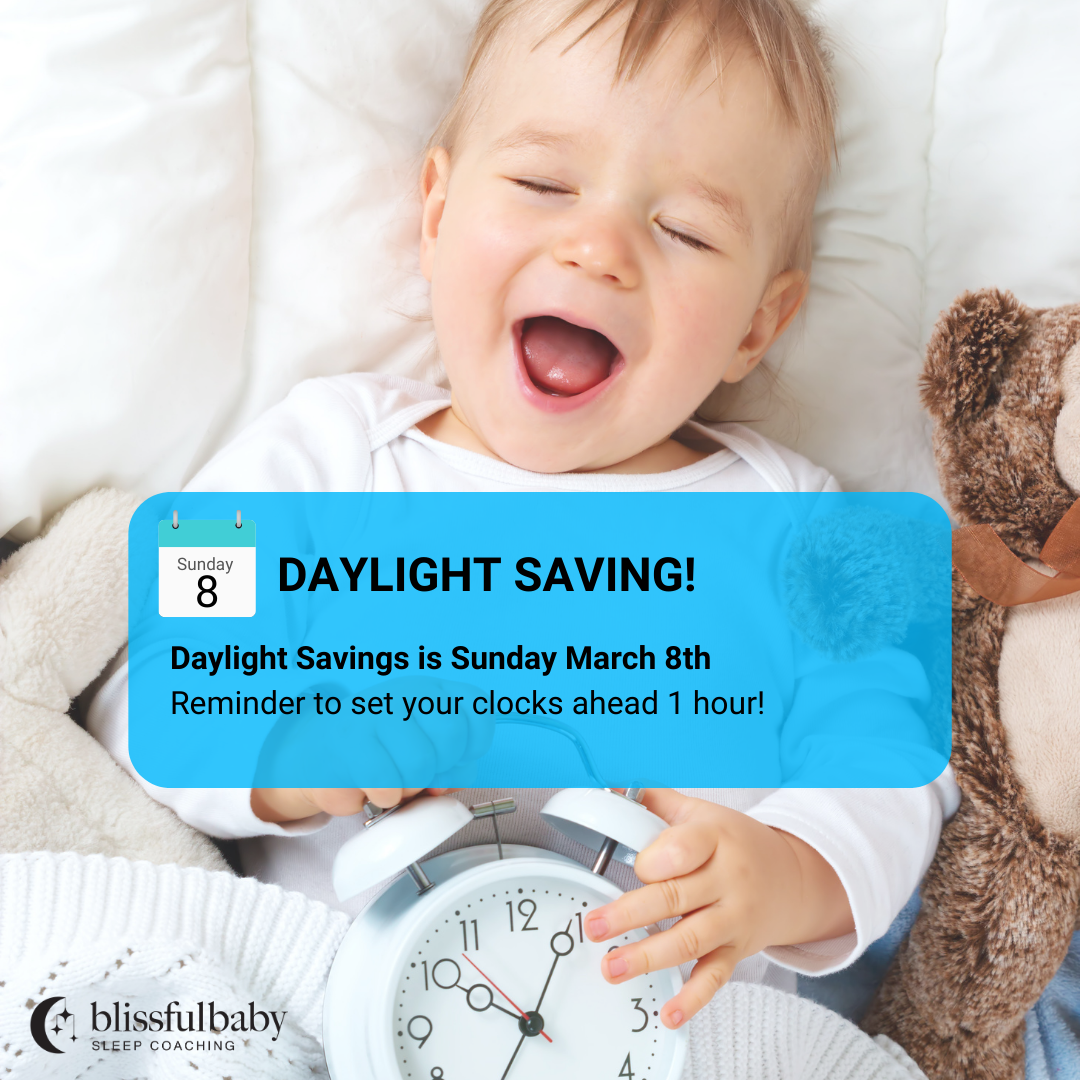
In 2026, Daylight Saving Time begins on Sunday, March 8.
At 2:00 a.m., the clocks move forward one hour.
Which means your child’s 7:00 a.m. wake-up suddenly feels like 6:00 a.m. to their body.
And if you’ve ever lived through spring daylight savings with a baby or toddler, you know: this isn’t “just one hour.”
It can feel like jet lag… without the vacation.
The good news? With a gentle, steady approach, most children adjust within a few days. You don’t need drastic schedule changes, cry-it-out, or rigid sleep boot camps.
Let’s walk through exactly how to handle spring forward 2026, calmly and confidently.
Why Spring Forward Feels Harder Than Fall Back
When we “fall back” in November, children get what feels like extra sleep.
When we “spring forward,” we’re asking their bodies to fall asleep earlier than their internal clock is ready for.
That’s the tricky part.
Your child’s circadian rhythm doesn’t change just because the clock does. For a few days, bedtime may feel too early, mornings may feel too early, and naps can get wobbly.
This is normal.
It’s not a regression. It’s a temporary rhythm shift.
Option 1: Do Nothing (Yes, Really)
If your child is generally a flexible sleeper, you can simply switch to the new clock time on March 8 and allow their body to adjust naturally.
Most children adapt within 3–7 days.
What this looks like:
Bedtime stays the same by the clock.
Wake-up stays the same by the clock.
You protect sleep pressure and keep routines consistent.
You get outside in morning light to help reset their internal clock.
This works especially well for:
Babies under 6 months
Toddlers with solid sleep foundations
Families who prefer minimal schedule tinkering
Consistency is more powerful than perfection here.
Option 2: Gradually Shift Before March 8
If your child is sensitive to overtiredness or early waking, you can shift the schedule slowly in the 4–5 days leading up to Sunday, March 8.
Starting Wednesday, March 4:
Move bedtime 10–15 minutes earlier each night.
Shift naps earlier by the same amount.
Wake your child 10–15 minutes earlier each morning.
By Sunday, you’ll already be close to the new time.
This approach feels gentler for:
Toddlers prone to overtired meltdowns
Babies in the middle of a sleep regression
Children who wake very early
Small shifts protect regulation. Big swings often backfire.
What About Early Morning Wake-Ups?
Spring daylight savings can temporarily cause:
5:00–6:00 a.m. wake-ups
Shorter naps
Extra bedtime resistance
Before assuming something is “wrong,” give it 3–5 days.
To support smoother mornings:
Keep the room dark (blackout curtains really help this time of year).
Don’t start the day before your desired wake time.
Expose your child to natural sunlight within 30–60 minutes of waking.
Keep naps age-appropriate to avoid overtired spirals.
Light is the strongest cue for resetting the body clock.
Should You Use Cry-It-Out for the Transition?
Short answer: no.
There’s no need to overhaul your approach or suddenly introduce extinction methods just because of daylight savings.
Spring forward is temporary.
If your family practices gentle sleep coaching, responsive settling, or a no cry-it-out approach, you can absolutely stay consistent through this shift.
Sleep transitions go more smoothly when children feel secure.
A Gentle Spring Forward Plan by Age
Babies (0–6 months)
Follow wake windows. Protect naps. Use light exposure in the morning. Avoid rigid clock watching.
Babies (6–12 months)
Shift gradually if sensitive. Keep bedtime routine predictable. Offer a slightly earlier bedtime for a few days if needed.
Toddlers & Kiddos (1–5 years)
Prep them verbally:
“The clock is changing. We’ll still sleep when it’s dark.”
Keep boundaries steady. Expect 3–5 days of adjustment.
How Long Does It Take to Adjust?
For most children:
Mild disruption: 2–3 days
More sensitive sleepers: 5–7 days
Rarely longer than 10 days
If sleep struggles persist beyond two weeks, there may be a separate schedule or regression issue—not just daylight savings.
A Calm Reframe for Parents
If March 8 feels stressful, here’s your permission slip:
You don’t have to engineer this perfectly.
You don’t have to fix everything in one night.
You don’t have to panic if bedtime runs late for a few evenings.
Children’s bodies are designed to adapt.
Your job isn’t to control every variable.
It’s to stay steady.
And steady is powerful.
Frequently Asked Questions About Spring Daylight Savings
-
Daylight Saving Time begins on Sunday, March 8, 2026, at 2:00 a.m. Clocks move forward one hour.
-
Possibly for a few days. Their body clock may still be on “old time.” Most adjust within a week
-
If you do nothing, keep bedtime the same by the clock. If shifting gradually before March 8, move bedtime 10–15 minutes earlier for several days.
-
For sleep, yes. Spring forward asks children to fall asleep earlier than their internal rhythm prefers.
Are you struggling with sleep after the time change?
If has been 2 weeks and you are still having issues, it might be time for “Sleep Tune-Up” time and you can fill out this form and state you need a sleep tune up call ($150 for 30 min)
Blackout Curtains: Your Nap-Time Secret Weapon
TL;DR: Blackout curtains can improve naps, reduce early morning waking, and support healthy sleep habits by minimizing light exposure that can interfere with melatonin production. For babies, toddlers, and preschoolers, creating a dark sleep environment is one of the simplest and most effective ways to improve sleep quality and consistency.
Why Sleep-Out Curtains Might Be the Missing Piece in Your Child’s Sleep Puzzle
Let’s have a real talk about something small that can make a giant difference in your child’s sleep: light.
If your little one is waking at the crack of dawn like they’ve got a standing meeting with the birds… or if naps are suddenly non-existent despite your best efforts… it’s time to shine a light on — or rather, block the light from — what’s going on.
Enter: Sleep-Out Curtains (aka blackout curtains, but better)
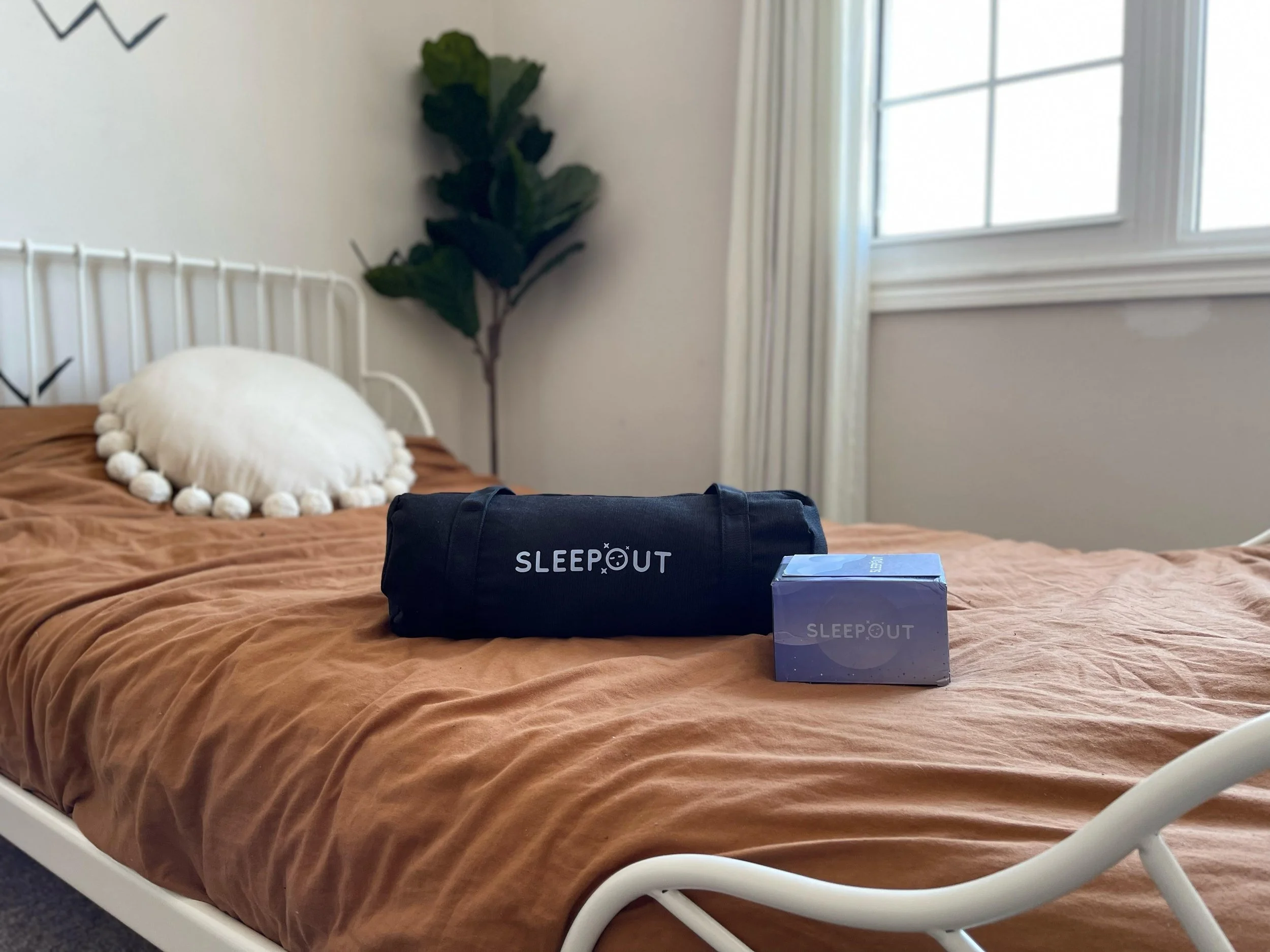
Now, I’m not talking about the sheer ones you picked up at Target that say blackout but still let in morning rays like a nightclub strobe. I mean REAL sleep-out curtains — the kind that make the room feel like a cozy, womb-like cave no matter what time of day it is.
Why does this matter?
Because light is a major player in your child’s circadian rhythm.
Sleep Science Moment: Why Darkness Matters
Let’s geek out for just a second (you know I’m all about the why behind the what).
When your child’s environment is too bright — especially early in the morning or during nap time — it signals their brain to stop producing melatonin, the sleep hormone that helps them wind down, stay asleep, and feel rested.
Translation?
Light = “Let’s wake up!”
Darkness = “Mmm, let’s stay cozy and snooze some more.”
So if you're trying to get longer stretches at night… more reliable naps… or even just a child who wakes up after 6am — sleep-out curtains are your new best friend.
Real Life Moment: The “Summer Solstice Meltdown”
Let me tell you about a sweet family I worked with — let’s call them the Parkers.
Everything was going pretty well… until June hit. Suddenly, bedtime became a full-on battle, naps were skipped, and their 4-year-old started popping up at 4:45am ready to party.
The culprit?
Their room was flooded with that glorious summer light — at bedtime, during naps, and first thing in the morning.
Once we installed real sleep-out curtains, it was like flipping a switch. Bedtime resistance dropped. Naps came back. And that 4:45am party animal? Now sleeping ‘til 6:30.
Joanna’s Go-To Curtain Tips
If you’re ready to join the dark side (literally), here’s what I recommend:
✔ Look for 100% blackout – Not “room darkening” or “light filtering.” You want total darkness.
✔ Seal the edges – Light sneaking in from the sides or top? Use Velcro strips or blackout curtain liners that go BEHIND your regular curtains.
✔ Get creative – In a pinch? Tape black trash bags to the windows. I’m not above a temporary hack when it buys the whole family more sleep.
✔ Double-duty – Consider using travel blackout options like Sleepout™ panels when visiting family or traveling (they suction to windows and WORK).
Gentle Sleep Coaching Bonus Tip
A darker room doesn’t just help your child sleep longer — it also helps them fall asleep easier.
So if bedtime battles feel endless, or if your toddler is suddenly scared of “monsters” or “shadows,” don’t assume they need more light — they may actually need less stimulation.
Pro tip: Add a soft red or amber nightlight if needed — those tones don’t disrupt melatonin like blue/white light does.
Bottom Line
Sleep-out curtains aren’t just some Pinterest parenting trend.
They’re a strategic, science-backed tool that helps align your child’s internal sleep rhythms with their environment — especially when naps, early mornings, or bedtime meltdowns are stealing your sanity.
They’re one of those things that make you go,
“Why didn’t I do this sooner?”
Frequently Asked Questions
-
Yes—very often, they do.
One of the most common reasons babies take short naps is because light signals the brain that it’s time to wake up. Even subtle daylight creeping into the room can interfere with your child’s ability to transition through sleep cycles.
When a room is truly dark, the brain produces melatonin more effectively, which helps your baby stay asleep longer and connect sleep cycles more easily.
That said, blackout curtains aren’t a magic fix on their own. If your child is overtired, undertired, or relying on sleep props, you may still see short naps. But when paired with the right sleep timing and routines, a dark sleep environment can make a noticeable difference—sometimes immediately.here
-
Yes—and this is one of the biggest wins.
Early morning waking (think 4:30–5:30am) is often driven by light exposure. As soon as the sun starts to rise, even a small amount of light can signal your child’s body that it’s time to start the day—even if they’re still tired.
By blocking that early morning light, blackout curtains help “protect” the sleep environment and support your child in sleeping later.
However, if your child is consistently waking early, it’s usually not just about the curtains. Sleep timing, total daytime sleep, and bedtime all play a role. Blackout curtains are a powerful tool—but they work best as part of a bigger, thoughtful sleep plan.
-
In most cases, yes—especially for sleep.
A dark room minimizes stimulation and supports deeper, more restorative sleep. For many toddlers, a completely dark environment helps reduce distractions and makes it easier to settle at bedtime and stay asleep through early morning hours.
If your child is fearful of the dark, you don’t have to force total darkness overnight. A very dim, warm-toned nightlight can be a gentle bridge. But the goal is still to keep the room as dark as comfortably possible.
Think of it this way: we’re creating a clear, consistent signal to the brain—this is a place for sleep.
-
They’re not technically required—but they make everything easier.
When I work with families, I look at the sleep environment as one of the foundational pieces. If a room is too bright, you’re essentially working against your child’s biology.
Blackout curtains help reduce external stimulation, support melatonin production, and create consistency—especially during naps and seasonal light changes.
So while you can improve sleep without them, you’re likely going to see faster, smoother progress when the environment is working with you instead of against you.
It’s one of the simplest changes with one of the biggest returns.
-
You don’t have to give up good sleep just because you’re on the go.
There are excellent portable blackout options designed specifically for travel—things like suction blackout shades or temporary window covers that you can pack in your suitcase.
The goal isn’t perfection—it’s consistency.
Even recreating some level of darkness can help your child feel more grounded and make it easier for them to fall asleep in a new environment.
If your child is used to sleeping in a dark room at home, bringing that element with you while traveling can be the difference between a smooth trip and a very long few nights.
Ready to troubleshoot your child’s sleep challenges with real strategies that WORK?
Can Blackout Curtains Help?
Often Yes
Often Yes
Sometimes
Sometimes
Helpful but not sufficient
Often Yes
Sleep Challenge
Short Naps
Early morning waking
Bedtime resistance
Night Waking
Sleep Regression
Travel Sleep Disruption
Ready to troubleshoot your child’s sleep challenges with real strategies that WORK?
That’s exactly what I do, every day, with families just like yours.
Let’s build a customized, heart-centered, attachment-respecting plan that makes sleep feel easy again.
At Blissful Baby Sleep Coaching, I believe that sleep is a learned skill, and every child is capable of learning it—with the right guidance and support.
Whether you’re a working parent juggling deadlines or simply a family in need of rest, know this: there is always help and hope available.
If you’ve been hesitating, wondering if sleep coaching is right for you, let me reassure you: the hardest part is deciding to start. From there, with expert guidance and your dedication, the progress will come quickly. This is your chance to transform your life in a way few other things can.
Ready to take the leap? Let’s talk about how sleep coaching can create your family’s transformation. You deserve this. Your baby deserves this. And your future self will thank you.
Let’s start with an easy first step, schedule a Sleep Strategy Session so me, you and your partner can have an 1 hr long zoom session so I can properly assess the sleep situation and determine if you need one-on-one sleep coaching support.
Let’s get your baby sleeping and get YOU your sanity back.
If you are still wondering if I can help, please know I do NOT advocate 'cry-it-out'. I am a Gentle Sleep Coach. If you want to learn about my guilt-free and gentle process, please go to these links.
The Blissful Baby Stairway to Sleep
Please join my Sleep is Bliss Tribe in Facebook, Instagram and LinkedIn so we can stay connected and you can continue to get amazing resources on sleep and family wellness.
Sleep is Bliss, Let's Get you more!
Desperate at 3 A.M.? From 3 a.m. “Playdates” to Full Nights of Sleep
From 3 a.m. “Playdates” to Full Nights of Sleep: Sean & Joanna’s Story of Hope, Grit, and a Well-Rested Baby
What happens when you're so sleep-deprived that a three-hour wake-up in the middle of the night feels normal? For Sean and Joanna, that was rock bottom—and the moment everything started to change.
Let me tell you about a family who reminds me why I do what I do.
Sean and Joanna were living what many tired parents would call “the fog.” Their 13-month-old son was waking multiple times a night—sometimes for hours—and they were running on fumes. Joanna, a physician, was disheartened by the fact that all her medical training did not provide her with the knowledge and tools to solve her own child’s sleep struggles”.. Sean was full-time at home dad and feeling the emotional and physical weight of crappy naps, long nights and trying to care take an active baby boy. By the end of the day, Dad was “ready for the hand-off” of baby to mom so he could get an break.
This couple was trying SO HARD to be present and engaging for their son, hold it together for each other, and survive their days on broken sleep and coffee. Sound familiar?
Until one night… when they had a “3 a.m. playdate”with their toddler. Not planned. Not fun. Just… wide awake. For hours.
“That was it,” Sean said. “I hit a wall. I went online and searched for help. That’s when I found Joanna.”
Yep. That’s me.Most families do indeed land on my website between 1am and 5am out of sheer desperation to end sleepless nights.
🎥 Watch Sean and Joanna share how sleep coaching transformed their family life.
(Click to watch their story—it’s heartfelt, honest, and under 5 minutes!)
☁️ The Turning Point: A Gentle Plan Built for Their Family
When we started working together, I knew we had a few important pieces to honor:
Mom was still nursing, and that nursing bond and relationship mattered deeply.
They were committed to a gentle, responsive approach.
Their son was what we call a “tough cookie”—in other words, he had opinions. 🙂
We went slow. We got strategic. And we stayed consistent. Sean was 100% all in and ran the coaching plan like a champ. Joanna supported with trust and patience while juggling a full-time job. And I was right there with them—making sure we paced everything just right.
Was it instant? Nope.
Was it worth it? 1000%.
“We followed your word like it was the gospel,” Sean told me. “Now he sleeps through the night. I can’t give a better recommendation than that.”
🌙 The After: Calm Evenings, Joyful Mornings, and One Rested Family
Today, their son:
Goes to bed around 7:30–8 p.m.
Sleeps peacefully through the night until 6 or 6:30 a.m.
Turns off the light himself (!), plays quietly, and puts himself to sleep with a smile
Let’s pause right there: That’s not just sleep. That’s confidence. Security. Peace. Independence.
And the ripple effect? Huge.
Joanna is now sharp and efficient at work. Sean and their son enjoy their days together again—playing outside, connecting with joy instead of frustration. They’ve even taken an overnight couples trip while a relative babysat—something they never imagined possible a few months ago.
“There’s so much more joy now,” Joanna told me. “We’re not surviving anymore—we’re living again.”
✨ Real Talk for Exhausted Parents
If you're in that fog right now, here’s what I want you to know:
You are not failing. You are not alone. And you do not have to figure this out by yourself.
I’ve been a certified pediatric sleep coach for 14+ years, and I’ve helped hundreds of families just like Sean and Joanna’s. The truth is—sleep is learned. And with the right strategy, the right support, and a plan rooted in science and compassion, things can change.
Because when your child learns to sleep—you all get your lives back.
🎯 Let’s Make Sleep Happen for You
If you’re nodding along to Sean and Joanna’s story, and you're ready to say goodbye to 3 a.m. chaos...
➡️ Ready for your own transformation? Let’s talk.
Let’s start with an easy first step, schedule a Sleep Strategy Session so me, you and your partner can have an 1 hr long zoom session so I can properly assess the sleep situation and determine if you need one-on-one sleep coaching support.
Let’s get your baby sleeping—and get YOU your sanity back.
If you are still wondering if I can help, please know I do NOT advocate 'cry-it-out'. I am a Gentle Sleep Coach. If you want to learn about my guilt-free and gentle process, please go to these links.
The Blissful Baby Stairway to Sleep
Please join my Sleep is Bliss Tribe in Facebook, Instagram and LinkedIn so we can stay connected and you can continue to get amazing resources on sleep and family wellness.
Sleep is Bliss, Let's Get you more!
The 2 to 1 Nap Transition: A Gentle Sleep Coach's Guide
The 2 to 1 nap transition is a significant milestone in your child's sleep journey. As a certified Gentle Sleep Coach and founder of Blissful Baby Sleep Coaching, I've guided countless families through this change. This transition can be challenging, but with the right approach, it can be a smooth process for both you and your child. In this blog, I'll share expert tips and strategies to help you navigate the 2 to 1 nap transition with ease.
Understanding the 2 to 1 Nap Transition
The 2 to 1 nap transition typically occurs between 15-18 months, but every child is unique. Some signs that your child may be ready to drop from two naps to one include:
Consistently fighting the afternoon nap: If your child resists the second nap or takes it very late, it might be time to transition.
Difficulty falling asleep at bedtime: An extended afternoon nap can interfere with bedtime.
Shortening morning nap: If the morning nap becomes shorter or skipped entirely, your child might be ready for just one nap.
Tips for a Smooth Transition
Adjust the Morning Nap Gradually: Start by pushing the morning nap later by 15-30 minutes every few days until it aligns with the desired single nap time, usually around midday.
Keep a Consistent Schedule: Consistency is key in sleep training. Stick to a routine to help your child adjust to the new nap schedule.
Create a Soothing Nap Environment: Ensure your child's nap space is conducive to sleep. Use blackout curtains, white noise, and maintain a comfortable temperature.
Watch for Sleep Cues: Pay attention to your child's sleep cues don't let them get “over tired” or they will fight the nap. Overtired signs are rubbing eyes, yawning, or becoming fussy.
Offer a Quiet Time: During the transition, if your child skips the nap, offer a quiet time to rest. This can help prevent overtiredness, 45 minutes is ideal.
Be Patient and Flexible: The transition can take a few weeks. Be patient and allow some flexibility in the schedule as your child adjusts.
Common Challenges and Solutions
Overtiredness: During the transition, your child may become overtired. To combat this, consider an earlier bedtime to compensate for the lost nap time.
Inconsistent Nap Length: Initially, the single nap might be shorter than expected. Encourage your child to extend the nap by keeping the environment calm and minimizing disturbances.
Do you wonder how much sleep your child should be getting? When they should nap? Have you asked yourself “is this is normal”?
You will love my Ages and Stages Daily Sleep Requirements Freebie! This guide breaks it down in an easy-to-follow chart! These charts will show you sleep averages of how much daytime sleep and nighttime sleep children need. They can help you create some kind of routine, avoid overstimulation and add some predictability to your life! As your child grows up, you can refer to these charts to see when you may need to drop a nap or change bedtime.
When to Seek Help
If you find the transition particularly challenging or your child is struggling with sleep, it might be helpful to consult with a gentle sleep coach. At Blissful Baby Sleep Coaching, we offer personalized support and strategies to help your child achieve healthy sleep patterns.
The 2 to 1 nap transition is a natural part of your child's development. With patience, consistency, and the right approach, you can help your child smoothly adjust to this new sleep schedule. Remember, every child is different, so it's important to follow your child's cues and make adjustments as needed.
For more expert tips on sleep coaching and transitioning your child's naps, visit Blissful Baby Sleep Coaching. Together, we can ensure your child gets the restful sleep they need for healthy growth and development.
Need help with this transition? Let’s Do This.
If you’re thinking, “Okay, I kinda-sorta-maybe want to try this, but I still have questions,”—that’s what I’m here for.
Let’s start with an easy first step, schedule a Sleep Strategy Session so me, you and your partner can have an 1 hr long zoom session so I can properly assess the sleep situation and determine if you need one-on-one sleep coaching support.
Let’s get your baby sleeping—and get YOU your sanity back.
If you are still wondering if I can help, please know I do NOT advocate 'cry-it-out'. I am a Gentle Sleep Coach. If you want to learn about my guilt-free and gentle process, please go to these links.
The Blissful Baby Stairway to Sleep
Please join my Sleep is Bliss Tribe in Facebook, Instagram and LinkedIn so we can stay connected and you can continue to get amazing resources on sleep and family wellness.
Sleep is Bliss, Let's Get you more!
Make Potty Training Simple!
Potty training doesn’t have to be stressful, but it also doesn’t have to be rushed. When families ask me for guidance, I often recommend Kim West’s Gentle Potty Coaching approach because it focuses on readiness, consistency, and a calm, supportive process. Like sleep, potty learning is a developmental milestone—and when you approach it at the right time, it becomes much simpler for everyone.
Are you preparing for potty training and searching for answers and best practices? Have you found yourself google searching any of these terms?
When to start potty training a boy?
When to start potty training a girl?
Is it hard to do potty training with sensory differences?
Is it possible to achieve potty training in 3 days?
How long does potty training take?
Signs your child is not ready for potty training
Tips for potty training toddler boy
Tips for potty training toddler girl
What are good potty training toddler videos
Best practices for potty training 3 year old
Best practices for potty training 2 year old
I want to share with you a Gentle Potty Coaching Course my mentor and Baby sleep expert, Kim West, and her two colleagues teamed up to create. It's the first-of-its-kind, evidence-based Potty Training Course that is gentle and inclusive!
Just like the Gentle Sleep Coaching Process used by Blissful Baby Sleep Coaching, this Gentle Potty Training Course considers the temperament of your child and their personality. I know the client's I work with value the guilt-free process that allows you to coach your child at a pace that works for YOUR family and YOUR child's needs.
The program will help you coach your child to learn the skills of potty training and results are seen in as little of 3 days or up to 2 weeks. Isn't that incredible?!

>>> Clickhereto learn more and purchase this amazing on demand Potty Training course! <<<
Have you been searching for the Best Travel Potty Seat for Cars?
If you start potty training I highly recommend this folding travel potty seat with storage bags! This is a great product to have on hand when traveling with little ones!
Frequently Asked Questions
-
Many of the families I support through sleep coaching eventually reach the potty-training stage and ask for recommendations. While potty coaching is not my primary specialty, I often refer families to Kim West's Gentle Potty Coaching resources because they align closely with my philosophy of responsive, child-centered parenting.
-
Sometimes.
Any major developmental milestone can temporarily affect sleep. Children may become excited about using the potty, wake to practice new skills, or experience temporary disruptions in their routines.
This is normal and usually short-lived.
-
Generally, I encourage families to avoid tackling multiple major transitions at once whenever possible.
If your child is struggling significantly with sleep, it can be helpful to establish more predictable sleep habits before introducing potty learning.
Are you struggling with your child's sleep?
The first step to see if I can help you achieve beautiful, blissful sleep is to schedule a 60 minute ZOOM sleep strategy session. Go to this link and complete the contact me form and I will be in touch within 24 hours with directions on how to schedule your Sleep Strategy Session.
If you are still wondering if I can help, please know I do NOT advocate 'cry-it-out'. I am a Gentle Sleep Coach. If you want to learn about my guilt-free and gentle process, please go to these links.
The Blissful Baby Stairway to Sleep
Please join my Sleep is Bliss Tribe in Facebook,Instagram and LinkedIn so we can stay connected and you can continue to get amazing resources on sleep and family wellness.
Sleep is Bliss, Let's Get you more!
Do you have a crib climber? Considering a switch to the big-kid bed?
A crib climber is not necessarily a child who is ready for a big-kid bed. In fact, moving to a toddler bed too early often creates new sleep challenges. Before making the switch, focus on safety, understand the developmental phase your child is experiencing, and consider alternatives that may allow your child to remain safely in the crib longer.
Do you have a child trying to climb out of the crib?
Do you wonder if they are ready for a toddler bed because they are trying to climb out of their crib?
It is typical for children between 18 months and 2.5 years of age to start climbing out of the crib. Climbing out of the crib does NOT mean that they do not like their crib. Climbing out of crib does NOT mean that they are ready for a toddler bed. All it means is that they are practicing their newfound climbing skills. During this important physical developmental leap, it is important for children to practice their climbing skills during the daytime shift at the park. We do not want them practicing this skill in the crib at night. After all, SAFETY FIRST!
Technically, children are not ready for a toddler or a “big bed” until they are 3 or 3.5 and moving them out of the crib sooner than they are ready leads to massive sleep regressions. My recommendation is using anti-crib climbing pajamas and/or a crib tent to keep them safe in their crib.
If you are experiencing this problem, then you will absolutely want to download my free guide on Sleep regression guide to help guide you through this difficult developmental phase.
There are also 2 products that can be helpful to stop the climbing behavior at night time. Sometimes parents only have to use these products for a short period of time until their child moves through the climbing phase.
My first recommendation to guarantee beautiful blissful sleep is to implement the crib tent.

Order your crib tent today!
Ages: 18 months and up
What is it?
A see through protective pop up tent with plenty of room for child to move around. This inhibits children from climbing out of the crib.
Why I love it?
Give all moms peace of mind; protect your child from climbing out of the crib.
With a high-end 55" x 52.5" x 28" baby safety net, your child stays safe all night long.
Designed in the USA by Pro Baby Safety
The highest quality construction available on Amazon. 100% satisfaction guarantee—no strings attached.
The other option is to try anti-crib climbing pajamas. Sometimes this can be the perfect solution, especially if your child uses their legs to climb out of the crib!

Order your Little Grounders today!
Ages:
What is it?
Little Grounders™ are patent pending climb-limiting pajamas for babies and toddlers that help keep little ones from climbing out of the crib.
Why I love it?
The one-piece pajamas have a flexible piece of fabric connecting the legs together. This limits the ability to lift the legs to climb while still providing enough flexibility to comfortably walk and play. They can no longer climb out of the crib so you know they are safe!!
Remember, it is normal to have sleep regressions. It sure is nice to know what it is and how to solve it. I think you will like my Sleep regression guide.
-
Not necessarily.
Many toddlers begin climbing because they are practicing a new developmental skill—not because they dislike the crib or are ready for the freedom of a big-kid bed. Physical ability and developmental readiness are not the same thing. In my experience, moving a child too early often leads to bedtime battles, sleep regressions, and repeated trips out of bed.
-
Every child is different, but many sleep experts recommend waiting until at least age 3, and often closer to 3½ or 4 years old when possible. By that age, children have more impulse control and a better understanding of boundaries, making the transition much smoother.
-
It can.
Many children experience temporary sleep disruptions after moving from a crib to a bed because they suddenly have the freedom to get out of bed, explore their room, or seek out their parents. The transition is often easier when it happens at the right developmental stage and when parents have a clear plan in place.
-
Safety is the first priority.
Before transitioning to a bed, consider strategies that may help keep your child safe while remaining in the crib, such as adjusting sleepwear, lowering the mattress, removing climbing opportunities, or discussing other safety options with your pediatrician. Many children move through the climbing phase relatively quickly.
-
Look for emotional and cognitive readiness, not just physical ability.
Children who are ready are typically able to understand and follow simple bedtime expectations, remain in bed with reminders, and show genuine interest in making the transition. Readiness is often more about maturity than age.
Ready for a Big-Kid Bed?
Not necessarily
Usually not by itself
Possibly
Good sign
Good sign
Often yes
Not automatically
Behavior
Climbing out of crib
Turning 2 years old
Asking for a big-kid bed
Following bedtime rules
Staying in bed during naps
Age 3.5–4 years
New sibling arriving
It’s travel season! Be prepared with a What to Pack List!
TL;DR- Traveling doesn't have to ruin your child's sleep. By recreating your child's sleep environment, maintaining key parts of your routine, and packing a few strategic sleep essentials, you can help your baby or toddler sleep well while traveling and return home with sleep habits intact.
It's travel season! For families that FINALLY have their kids taking predictable naps and are enjoying BEAUTIFUL, BLISSFUL SLEEP the thoughts of “messing it up” by stepping out of their routine can be stressful. For families that are already sleep-deprived and struggling with getting the child to sleep at home, the idea of having to handle this while traveling can be overwhelming. Managing your child’s sleep while on vacation is possible and I am going to give you some tips to make everything easier!
Think ahead while packing what you need to maintain your optimal sleep environment!
Download my free Summer Travel: What to Pack checklist!
Bring a white noise machine or small fan! This will help maintain your child’s routine at home and help them be more comfortable in their new environment. It is also a great way to drown out background noise if you are room sharing.
Does your child have a favorite lovie, stuffed animal or blanket? Make sure to pack these!
If your child is used to sleeping in a crib, call ahead to see if there is one available or bring a pack and play. You can also consider using a baby equipment rental company at your destination. If your child is sleeping in a bed, there are some great options for child air mattresses! **
Getting a child to sleep in bright rooms can be tricky while away! There are some great products available that ensure a quick and easy fix. Check out the Snooze shade or Slumberpod! These are also a must-have if you are room sharing while away! Check out my interview with the Creator of Snoozeshade
If your child is used to a sleep sack or swaddle make sure to pack them (plus some back ups).
What is your sleep routine with your little one? Do you read the same book every night or sing songs? Pack whatever you will need to maintain this routine as much as possible. Consistency helps children feel comfortable and know what to expect.
-
Usually not.
Many parents worry that one vacation will undo months of hard work, but that's rarely what happens. Children are incredibly adaptable. You may experience a few off nights while traveling, but most children return to their normal sleep routines once they're back home.
I often tell families: don't let the fear of sleep challenges stop you from making memories. Travel is temporary. Good sleep habits are long-term.
-
If I had to choose just one thing, I'd choose whatever makes your child's sleep environment feel familiar.
For some children that's a sound machine. For others it's their sleep sack, lovey, or portable blackout curtains.
Children sleep best when their environment sends the same message it sends at home:
"It's time for sleep."
-
If I had to choose just one thing, I'd choose whatever makes your child's sleep environment feel familiar.
For some children that's a sound machine. For others it's their sleep sack, lovey, or portable blackout curtains.
Children sleep best when their environment sends the same message it sends at home:
"It's time for sleep."
-
The closer you can recreate home, the better.
I recommend:
Making the room as dark as possible
Using white noise
Following your normal bedtime routine
Bringing familiar sleep items
Allowing a little extra wind-down time
Most children adjust surprisingly quickly when those familiar cues are in place.
-
Don't panic.
Travel days are often messy sleep days. Focus on preventing overtiredness rather than achieving perfect naps.
Some naps may happen in a stroller, carrier, car seat, or travel crib—and that's okay.
One imperfect day won't create a long-term sleep problem.
Remember being consistent does not mean never changing the schedule or routine. It's important to be flexible and most importantly ENJOY YOUR TRIP! Don’t feel guilty if you need to offer your child a little more support while traveling to make them feel comfortable! When you get home, you can return back to your normal schedule and routines!
Download my free Summer Travel: What to Pack checklist to help make sure you are prepared!
You can also check out my video on Holiday Travel Tips and blog post 7 Family Travel Tips for Summer 2021 for more travel tips!
If you are sleep deprived and struggling with getting the child to sleep at home and the overwhelm is taking the joy out of travel planning, hope and help are available.
The first step to see if I can help you achieve beautiful, blissful sleep is to schedule a 60 minute ZOOM Sleep Strategy Session. Go to this link and complete the contact me form and I will be in touch within 24 hours with directions on how to schedule your Sleep Strategy Session.
If you are still wondering if I can help, please know I do NOT advocate 'cry-it-out'. I am a Gentle Sleep Coach. If you want to learn about my guilt-free and gentle process, please go to these links.
The Blissful Baby Stairway to Sleep
Please join my Sleep is Bliss Tribe on Facebook, Instagram and LinkedIn so we can stay connected and you can continue to get amazing resources on sleep and family wellness.